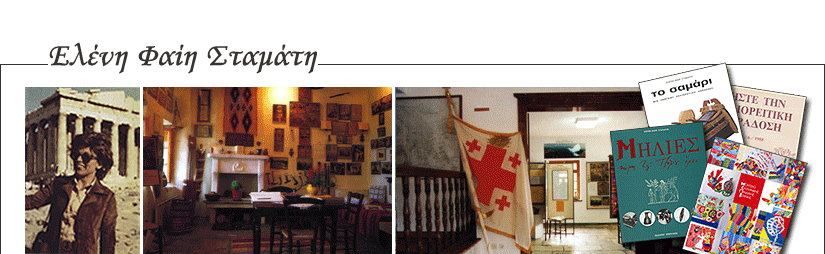
The Local Museum of Milies
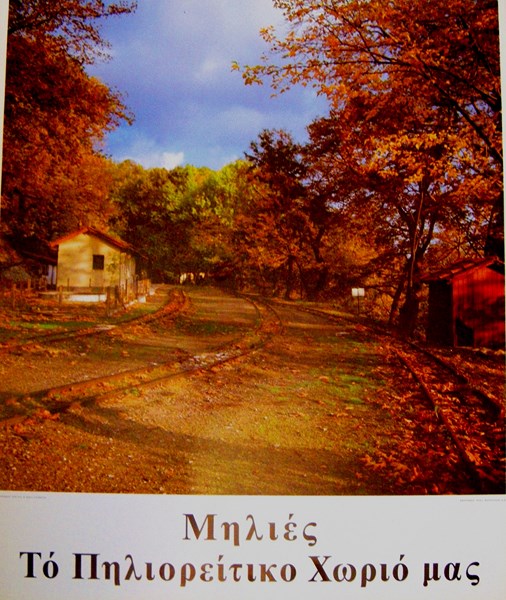
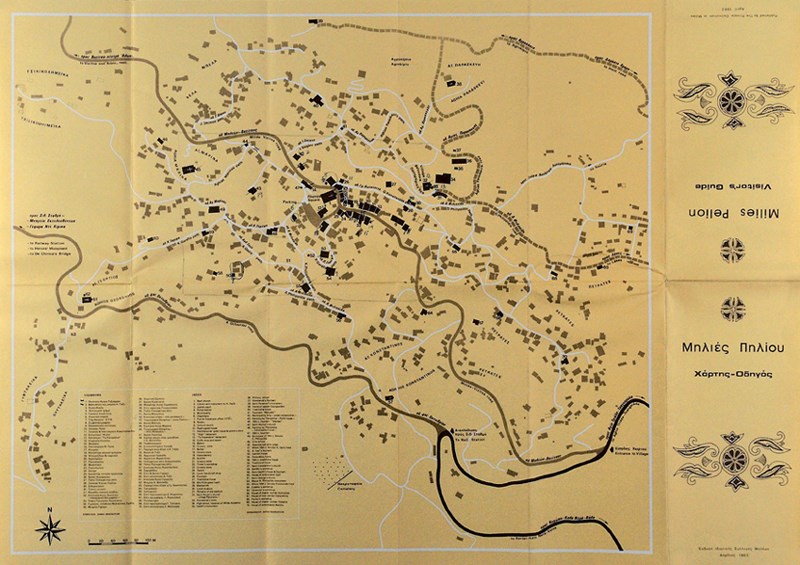
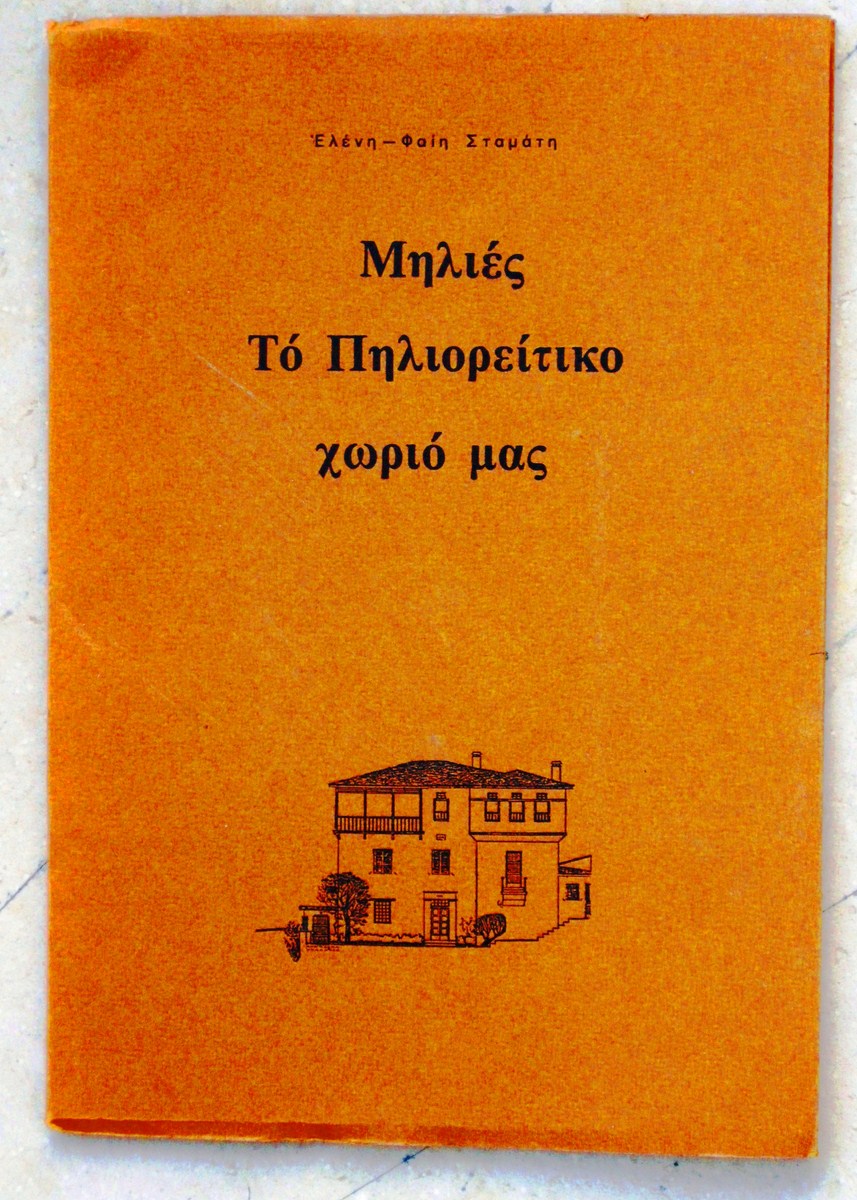
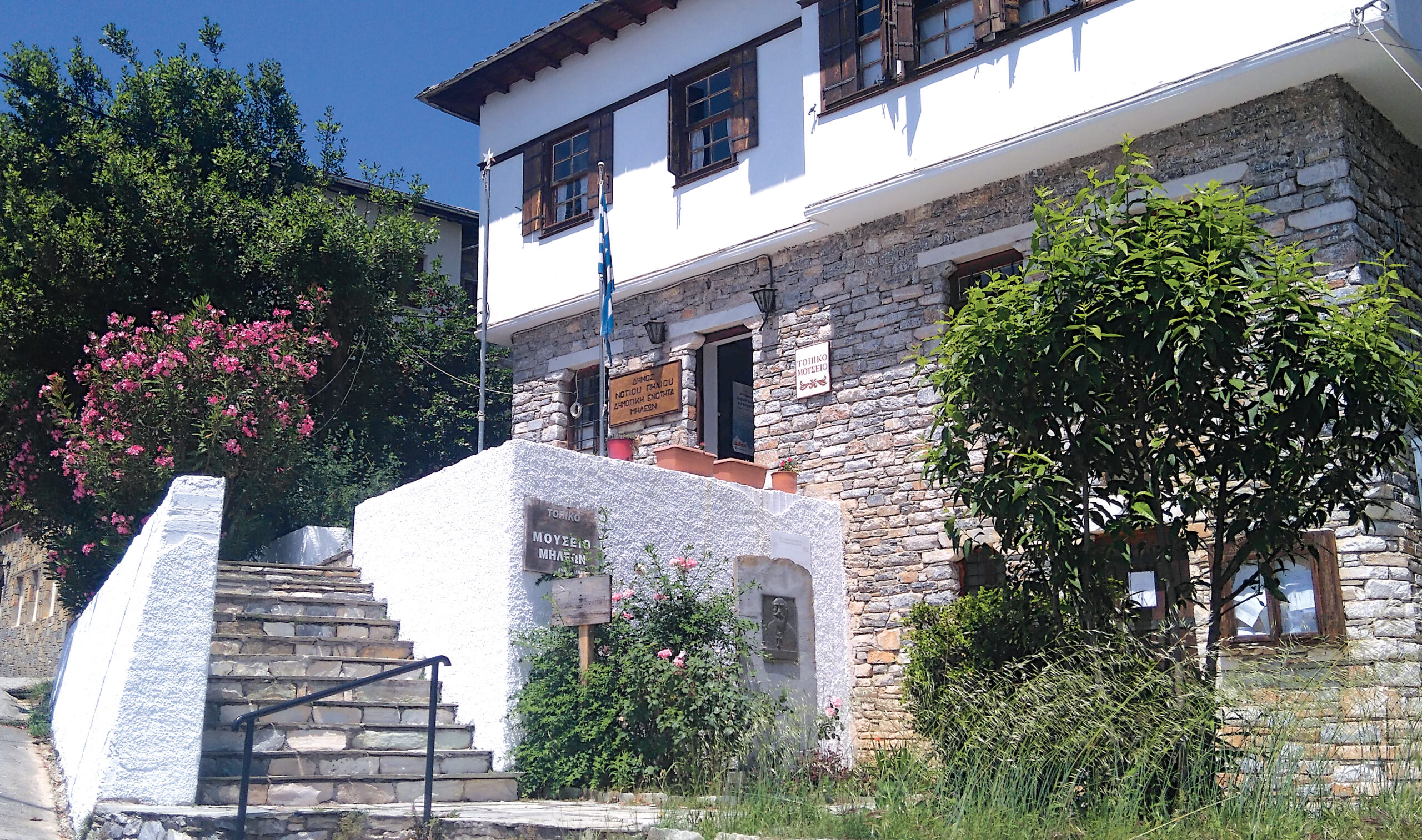
In 1982 my husband and I offered to Milies and its inhabitants a collection presenting the history of the village and the traditional life of its people. We printed a map of Milies, post-cards showing the main sites of interest, a poster of the beautiful scenery of the Milies railway station, a short note book on the history of Milies and
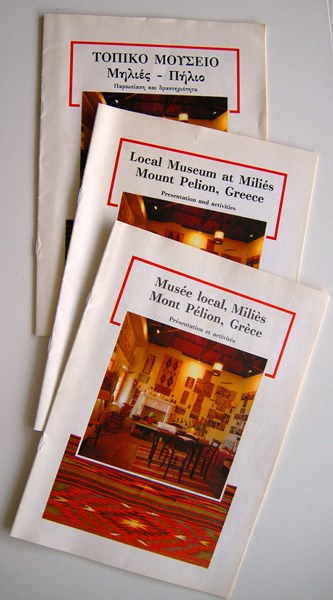
a pamphlet of the collection in Greek, English and French.
The Press embraced the event and the collection remained open on weekends and public holidays attracting a large number of visitors.
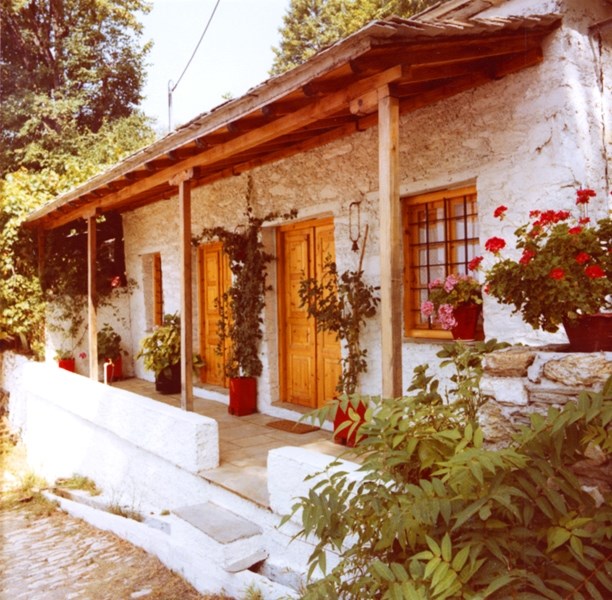
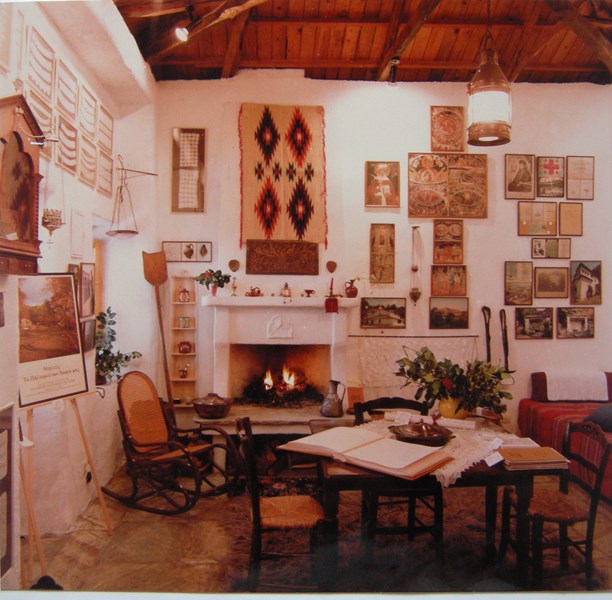
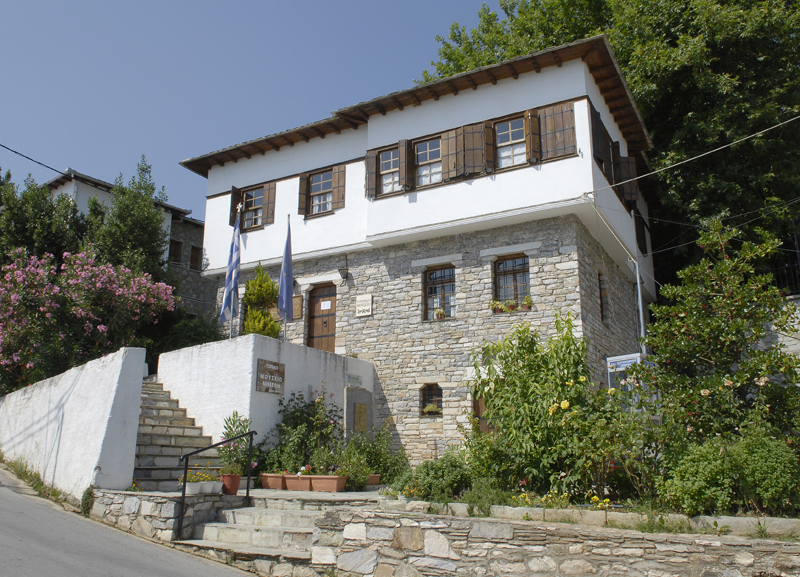
In 1987, in response to the request of the mayor of Milies, the collection was donated to the Community with the aim of creating a Local Municipal Museum, the mayor and the director of the Research Center of the Academy of Athens being responsible of the museum and the donator responsible of educational and artistic activities.
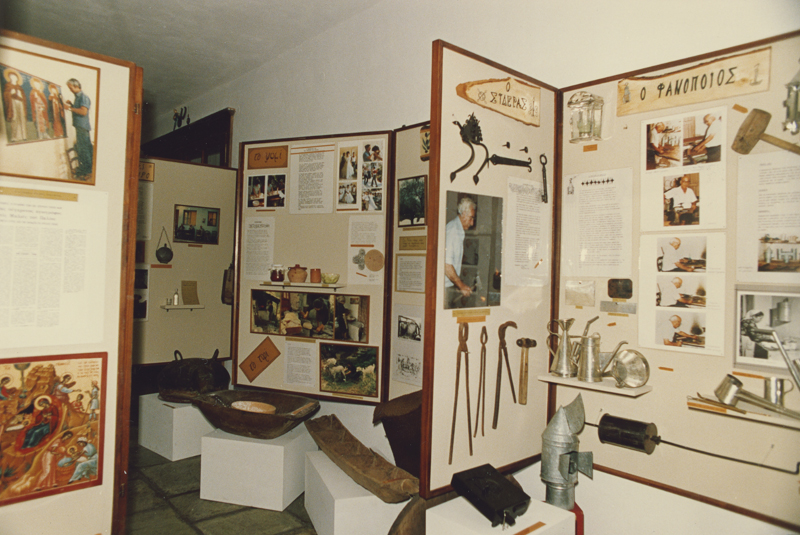
Because of the limited space it was decided that we would use thematic panels reminiscent of the pages of a large picture book with relevant texts, a large number of photographs and objects that provide a wider range of information on each subject.
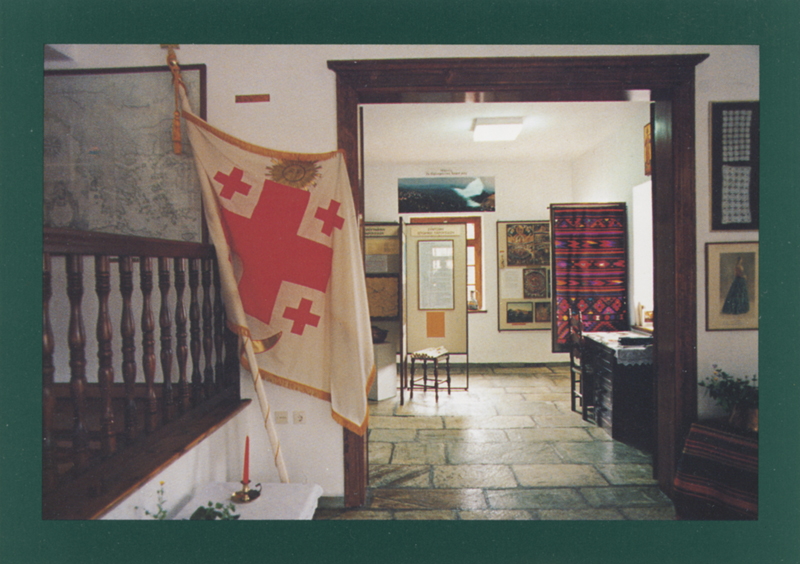
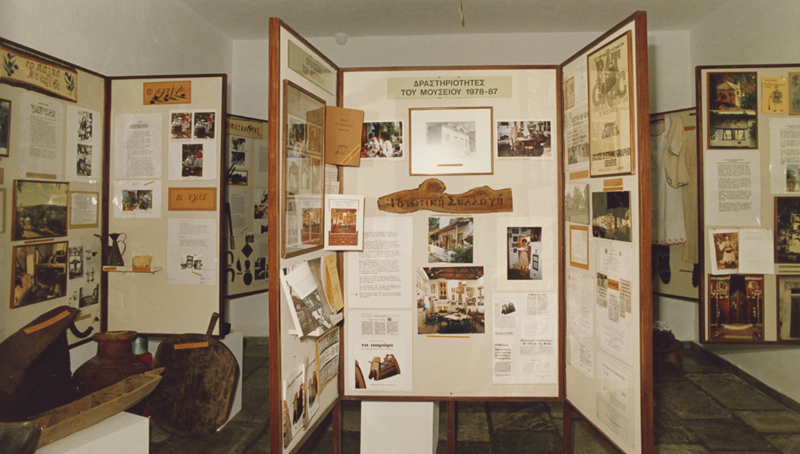
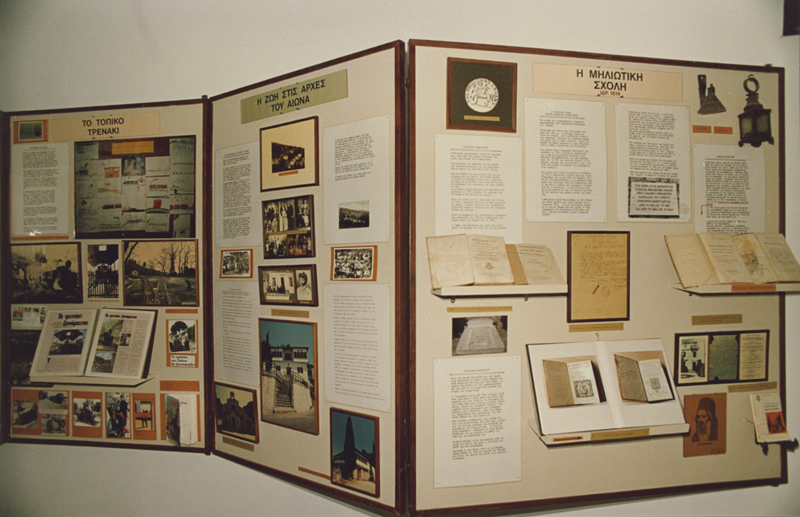
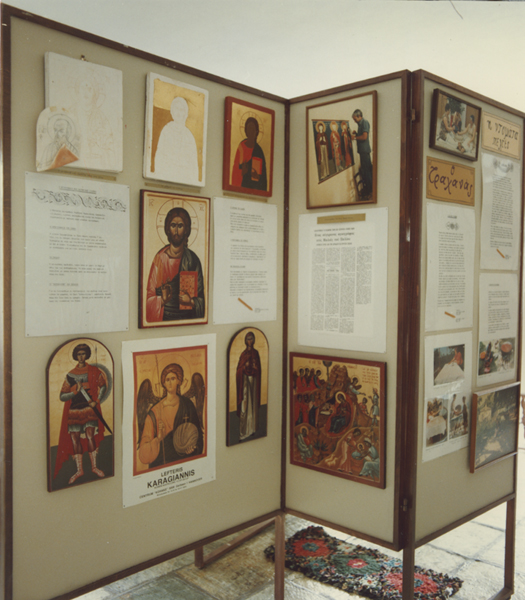
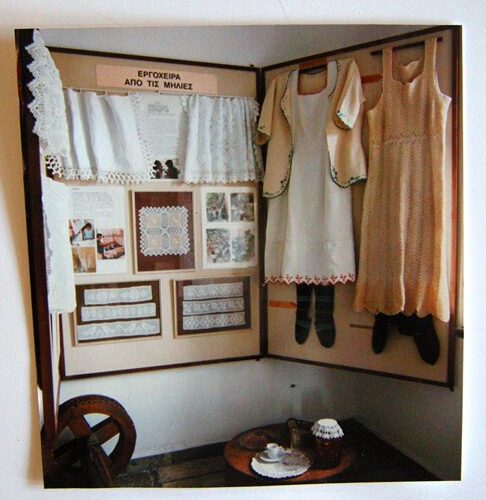
Before entering the museum we find a copy of the banner of the Greek Revolution against the Turks raised in Milies in 1821 and a copy of a map of Greece printed in Vienna. As one enters the first panels give a historical flashback of the Pelion mythology and of the ruins of the temple of Apollo. We then learn about the development of Milies during the Turkish
occupation, of the local Pelion architecture, of the main church of the Taxiarches and of the many monasteries. Reference is also given about the local painter Theophilos and the hero Garefis hero of the Macedonian War of Independence.
Information about the famous School of Milies founded in 1814 with details on the three Scholars Gazis, Konstandas and Philippides give an idea of Milies in the age of Enlightenment.
A panel gives information about the Pelion train that connected Milies to Volos creating new affinities with the neighboring villages while other panels show weavings and embroideries.
The burning of Milies by the German army in 1943 killing 33 Miliotes on that one day, the earthquakes that shook the area in 1955 and the frost that destroyed the crops give a forlorn impression.
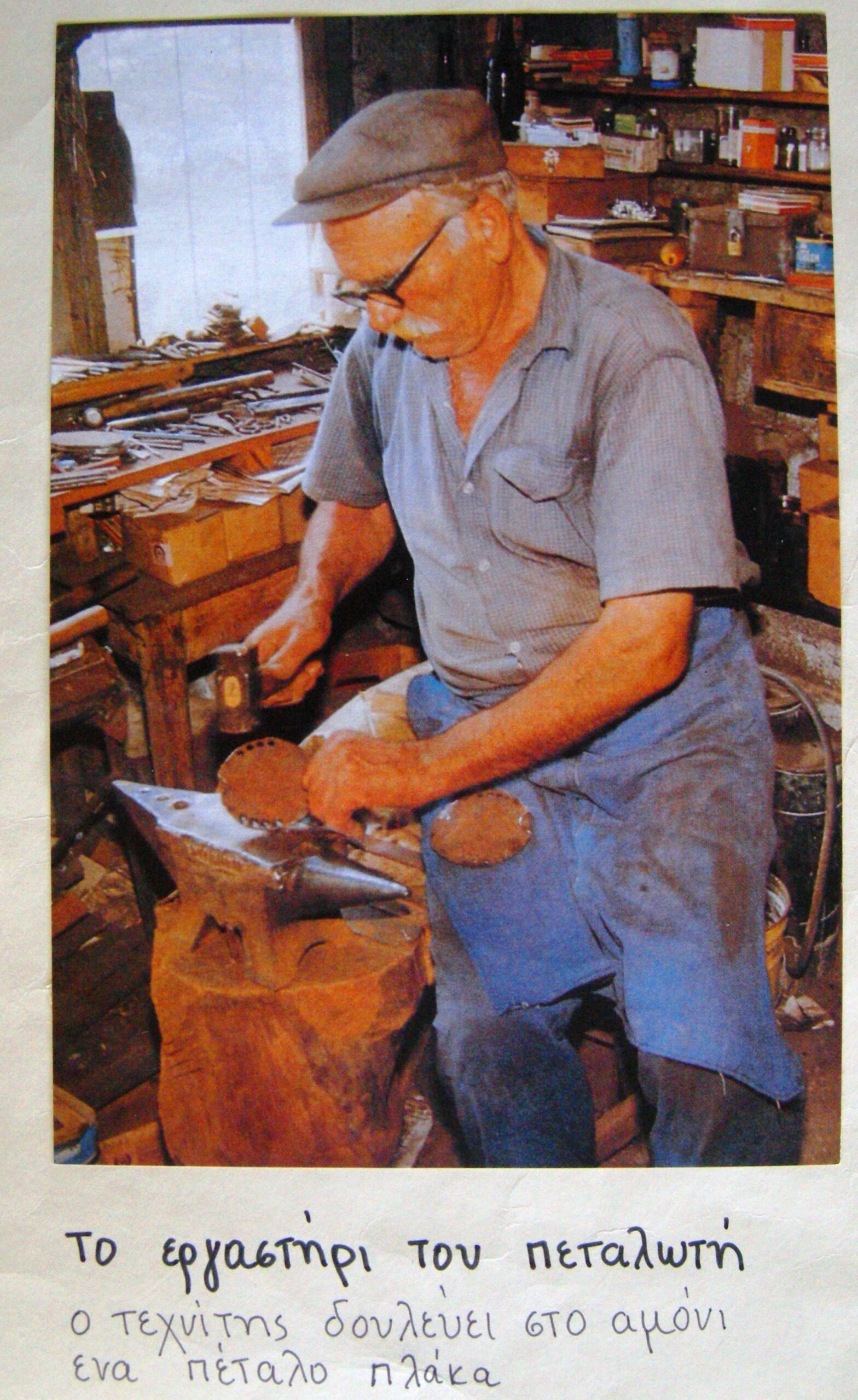
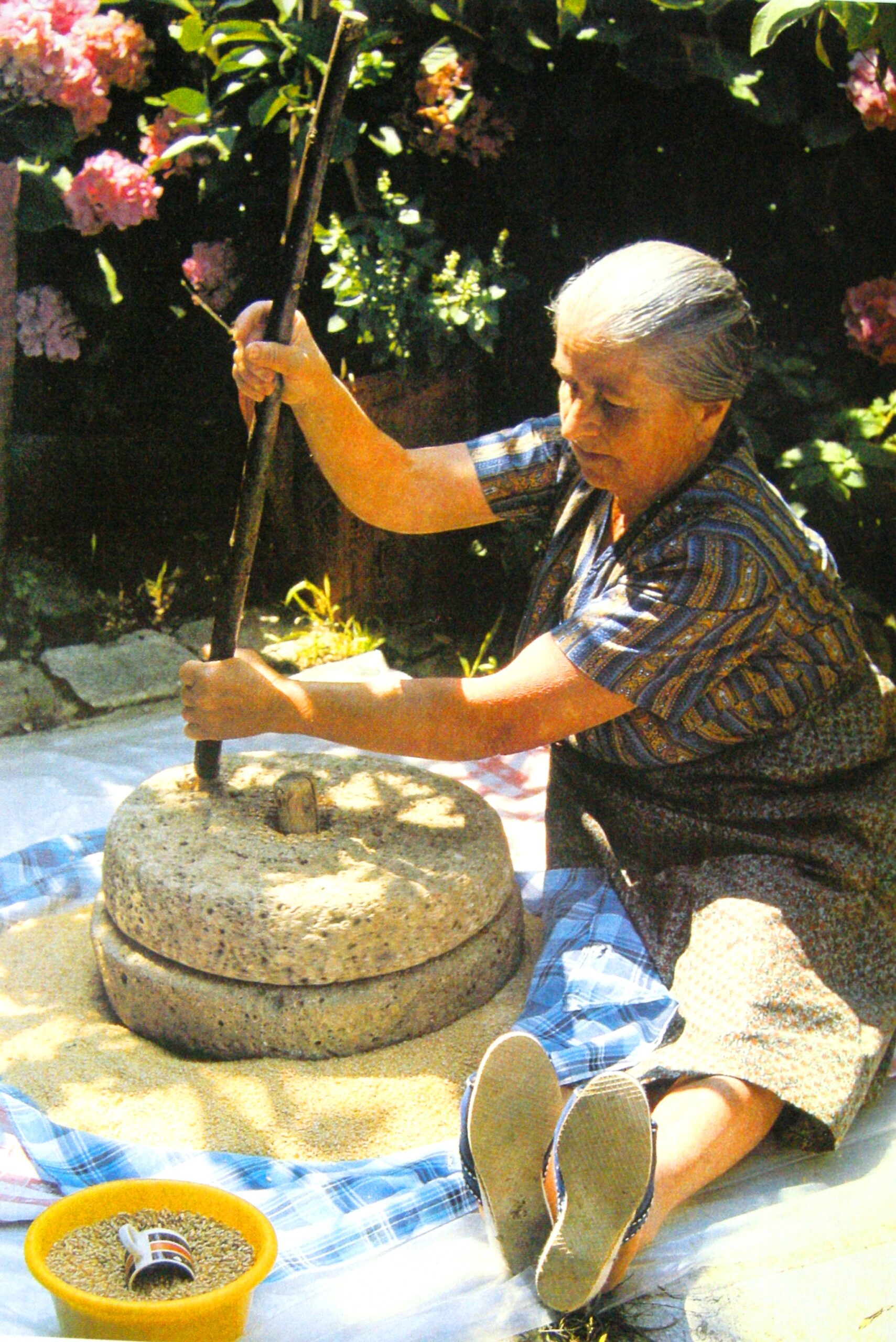
Life in Milies in the early 20 th century, aspects of the traditional life of craftsmen and women’s chars are of great interest and agricultural tasks are also mentioned.
VISITING THE MUSEUM
The guide welcomes Greek and foreign visitors as well as school groups and a pamphlet is available in Greek and English. Benefit from the gift shop is used exclusively to cover museum expenses.
EDUCATIONAL ACTIVITIES in Greek
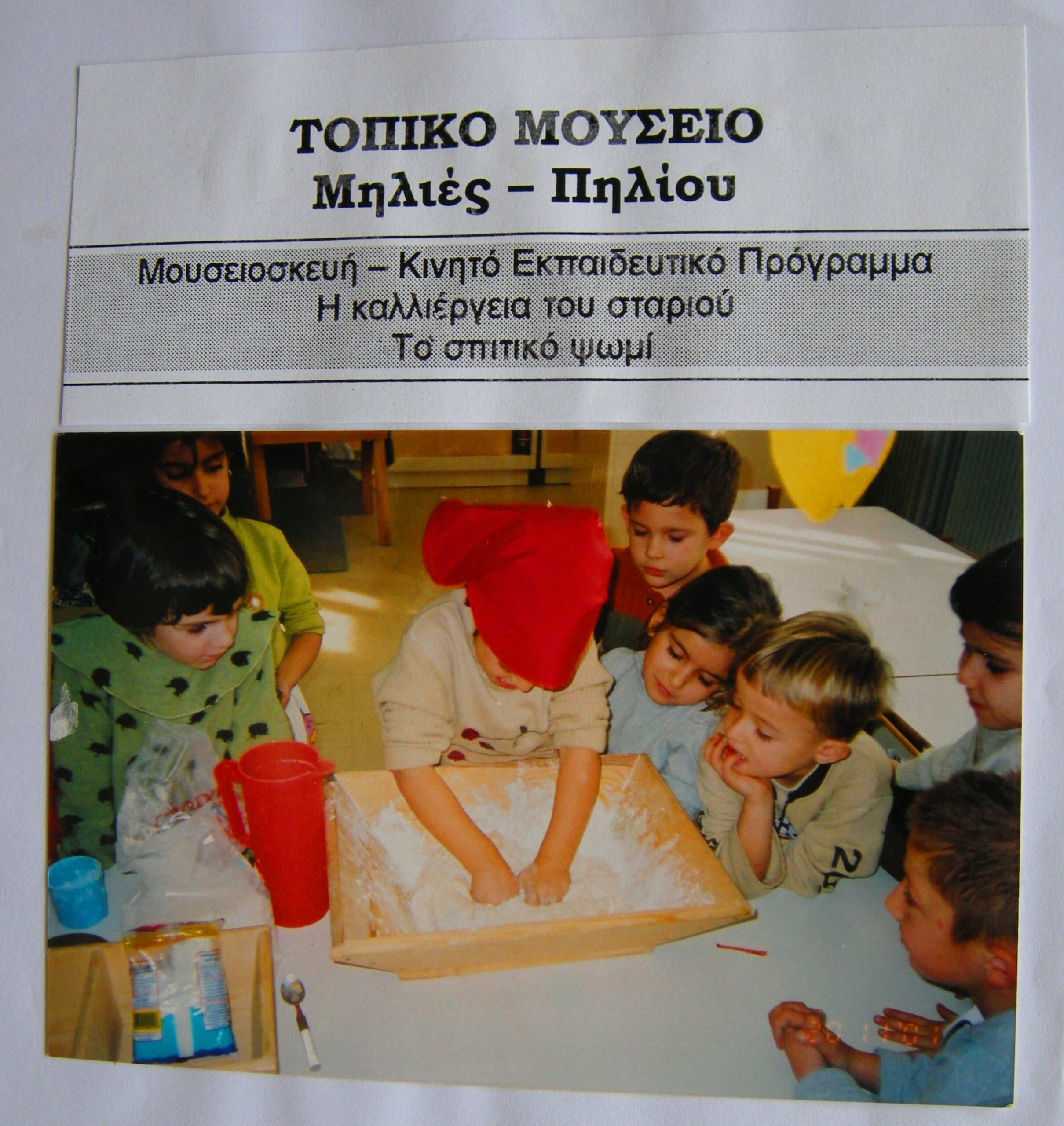
Contact with children was from the start the main goal of the director of the Local Museum with the aim of keeping alive the cultural heritage of Milies while having them enjoy their visit to the museum. The educational activities were designed for children of primary school.
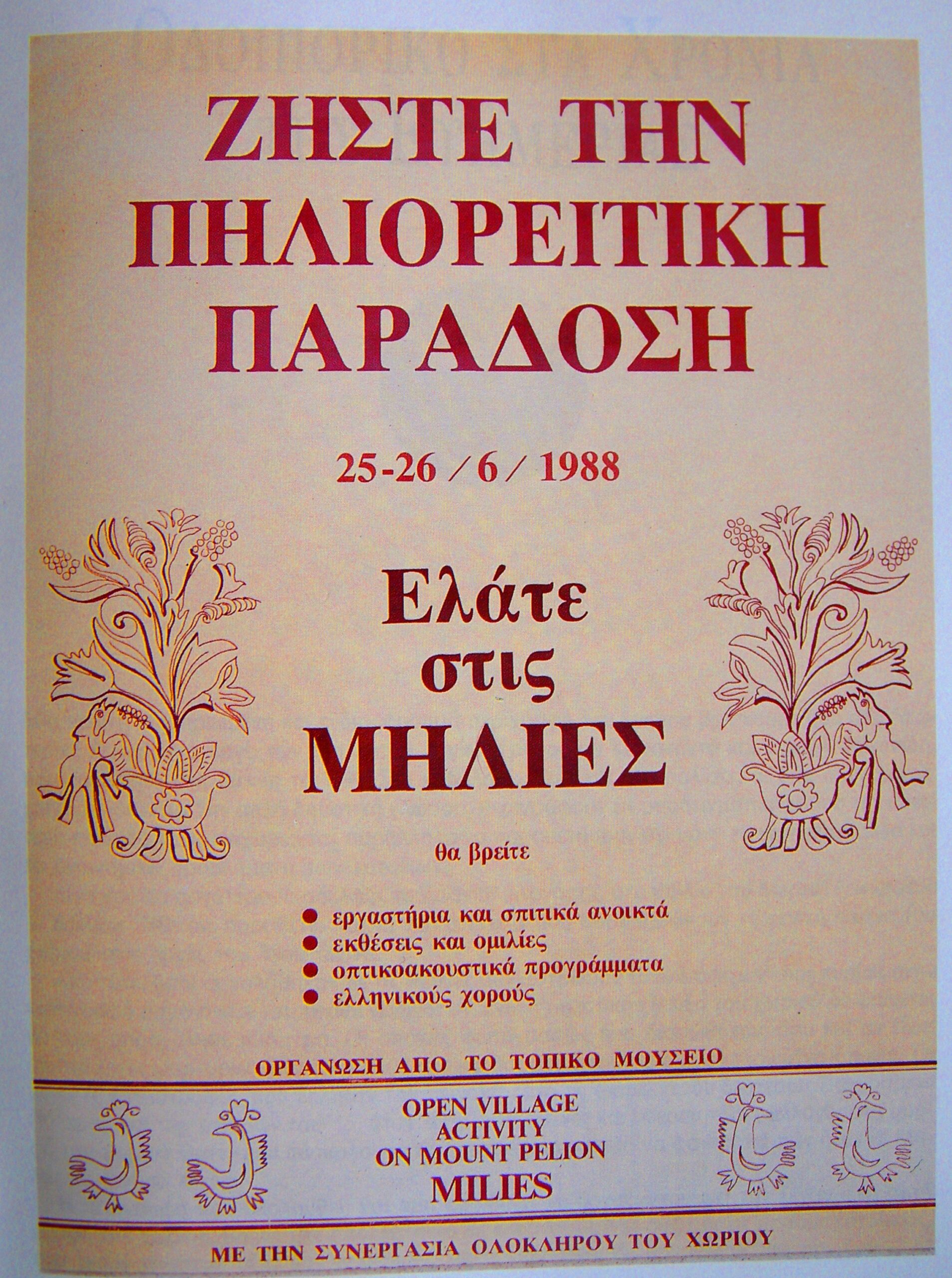
COME TO MILIES. EXPERIENCE THE PELION TRADITIONS
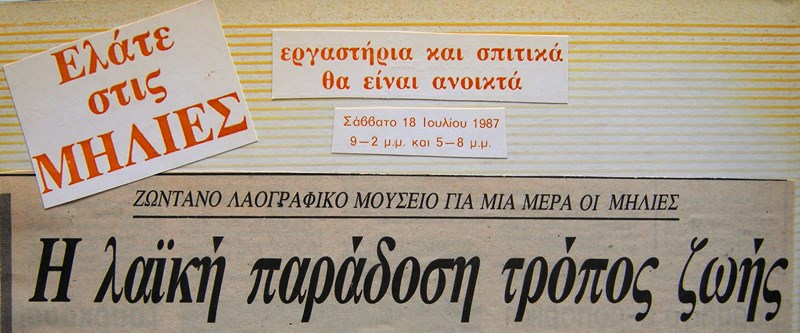
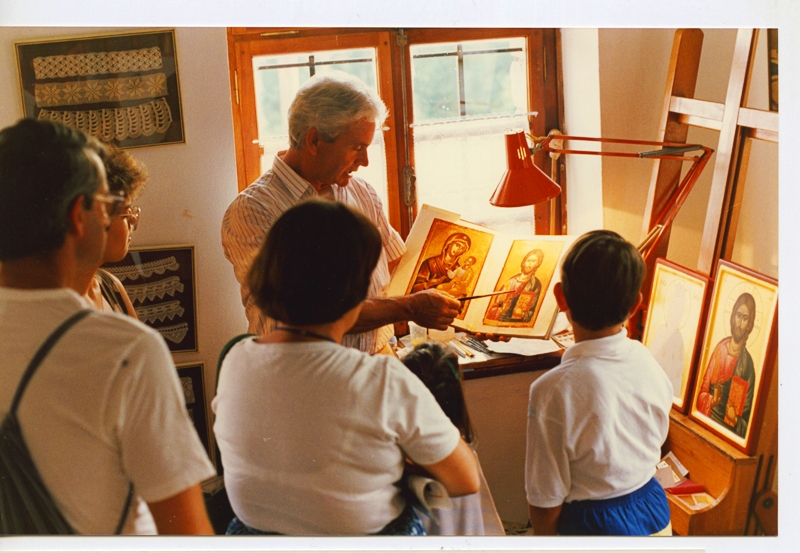
In 1986 and for 4 years during the month of June the Stamatis couple with the collaboration of the Municipality and the people of Milies organized the event that offered visitors to witness life in Milies going from house to house to see and talk with the women occupies with their many chars and the craftsmen busy with their task. Educational sheets and activity programs for children were available in most places.
Despite its very great success the event was not repeated without the financial contribution of the Government.
MUSEUM KITS – COLLABORATION WITH SCHOOLS
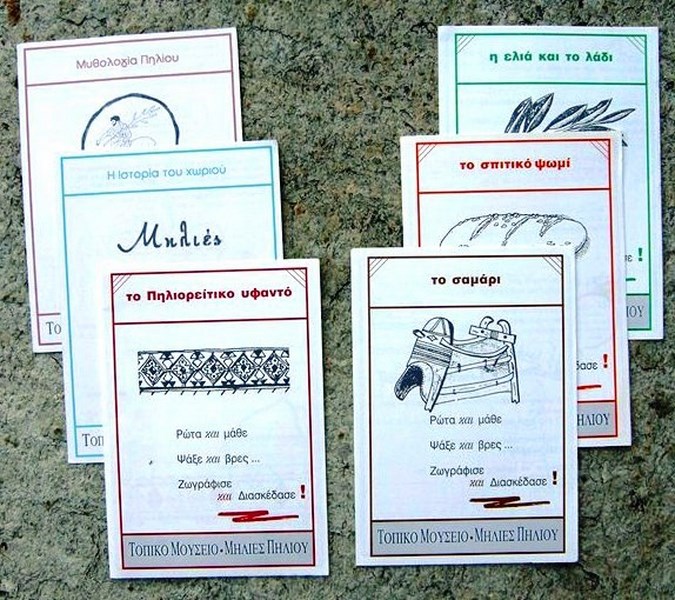
The aim of the director of the Local Museum of Milies was to interact with Primary schools and teachers so I studied and designed 4 Museum kits that have to do with the traditional life in the village.
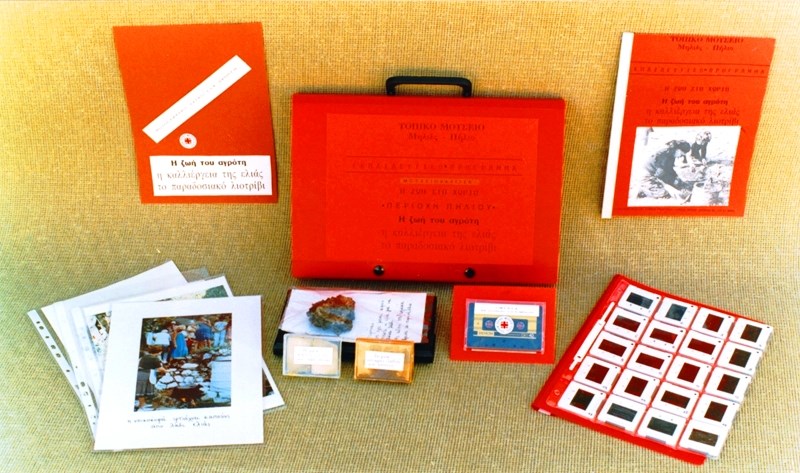
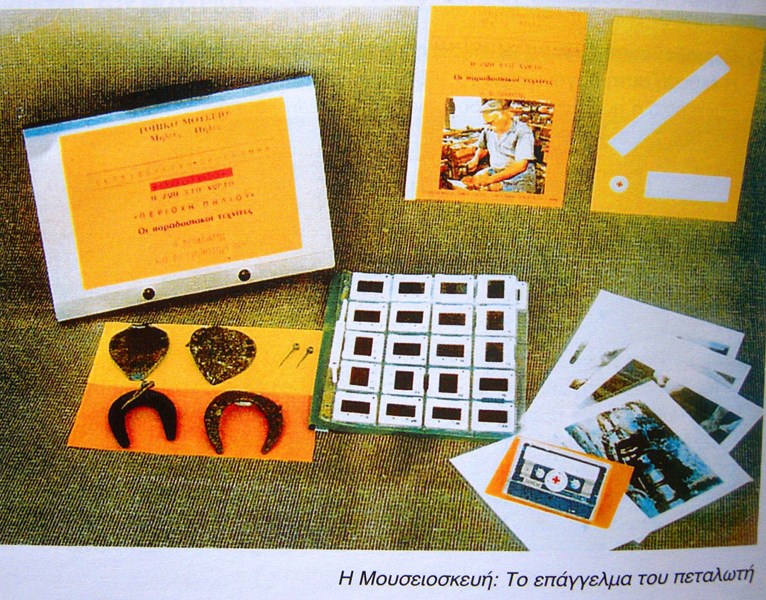
Each Museum kit includes:
- Text on the subject for the teacher
- Photographs on the subject
- CD
- Objects related to the subject
- Suggestions for creative activities
- Suggestions for presenting the kit in class
- Evaluation sheet
The kits were lent by the Research Center of the Academy of Athens and in recent years the educator Gerasimos Tsibloulis is
responsible for the wider area of Volos.
CHILDREN’S ART COMPETITION
This activity started in 1987 because I wanted children to come to Milies with their parents and learn about the cultural heritage of Milies.
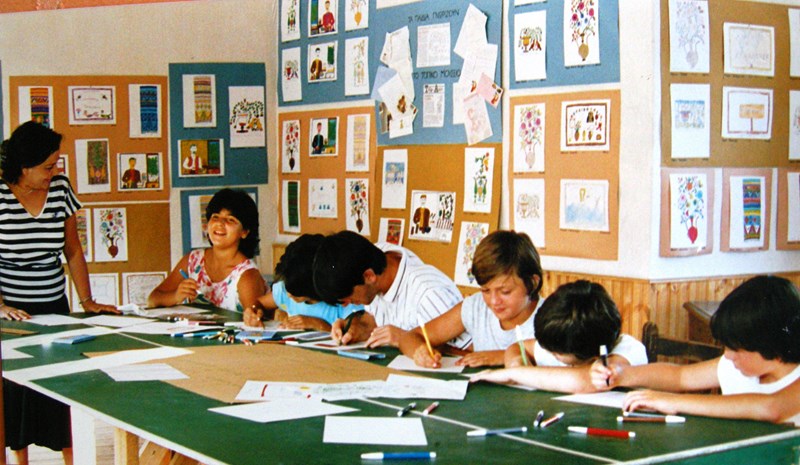
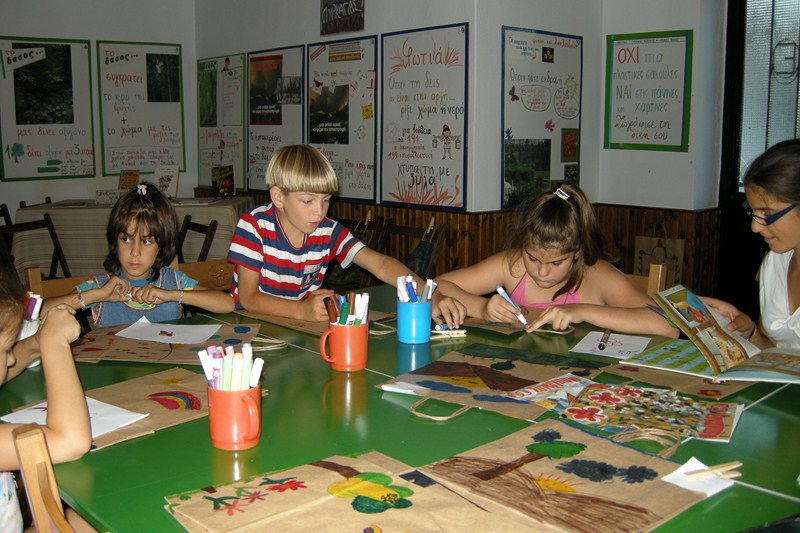
As children loved drawing the competition was a success but it soon became obvious that the small community of Milies could no longer handle it.
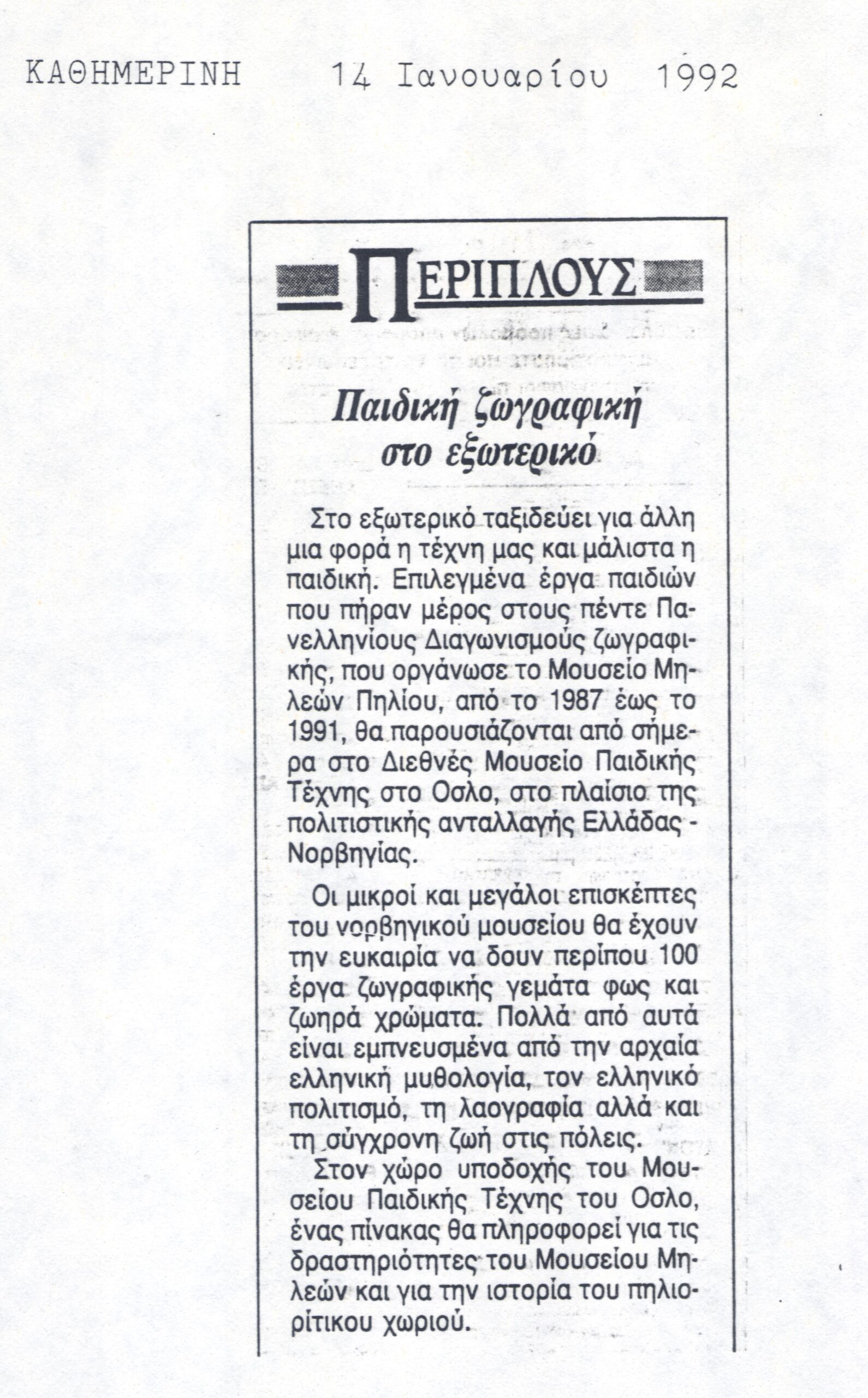
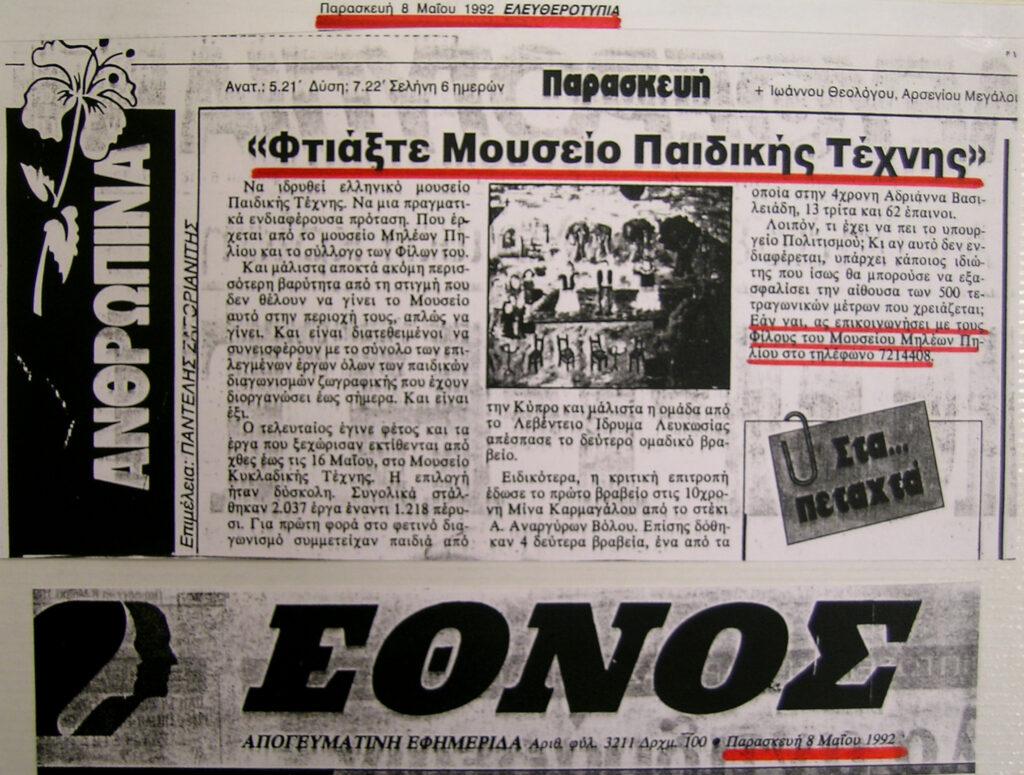
In 1991 the Association of the Friends took over and exhibitions were held at the Cycladic Art Museum in Athens with the Press
being enthusiastic.
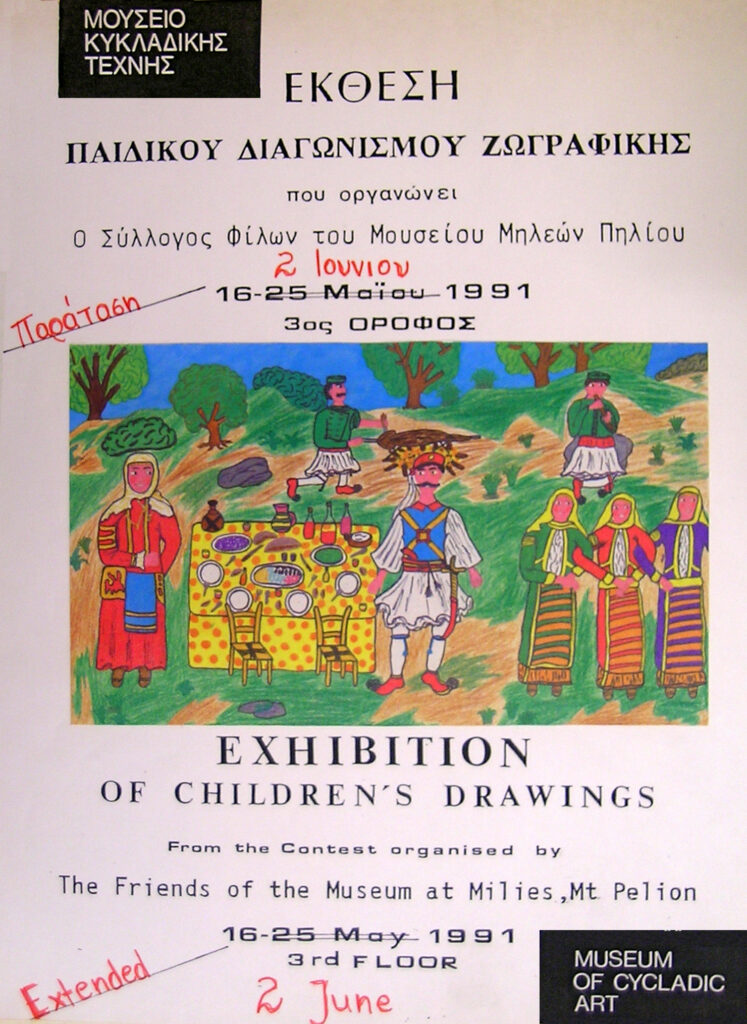
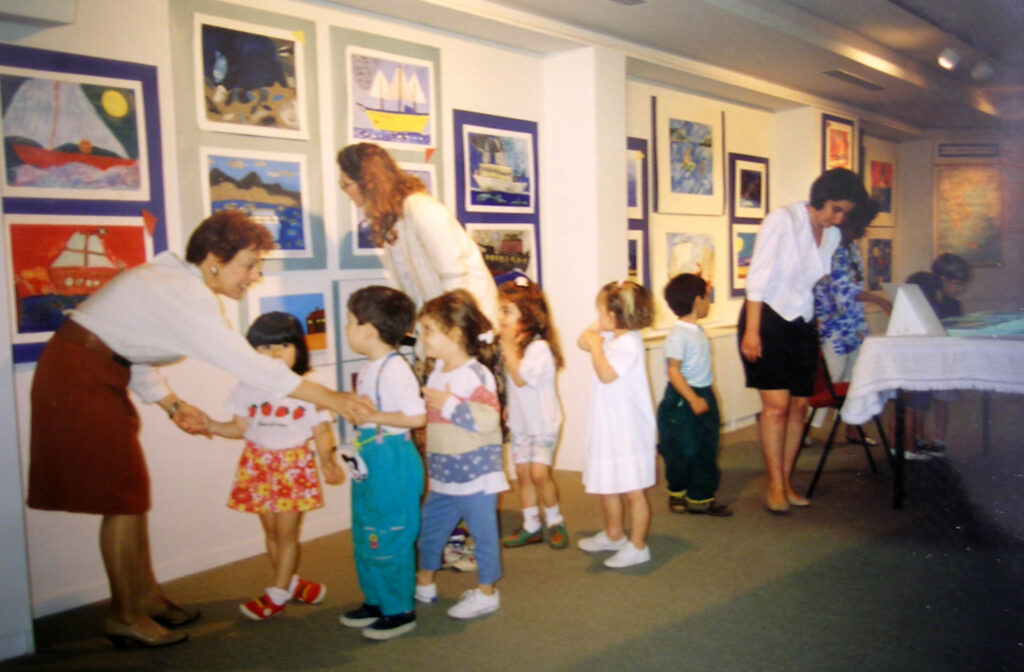
The next two years Greek children’s art was invited at the Museum of Children’s Art in Oslo, the Children’s Museum in Manhattan, the Mayfair Gallery and the Greek School in London.
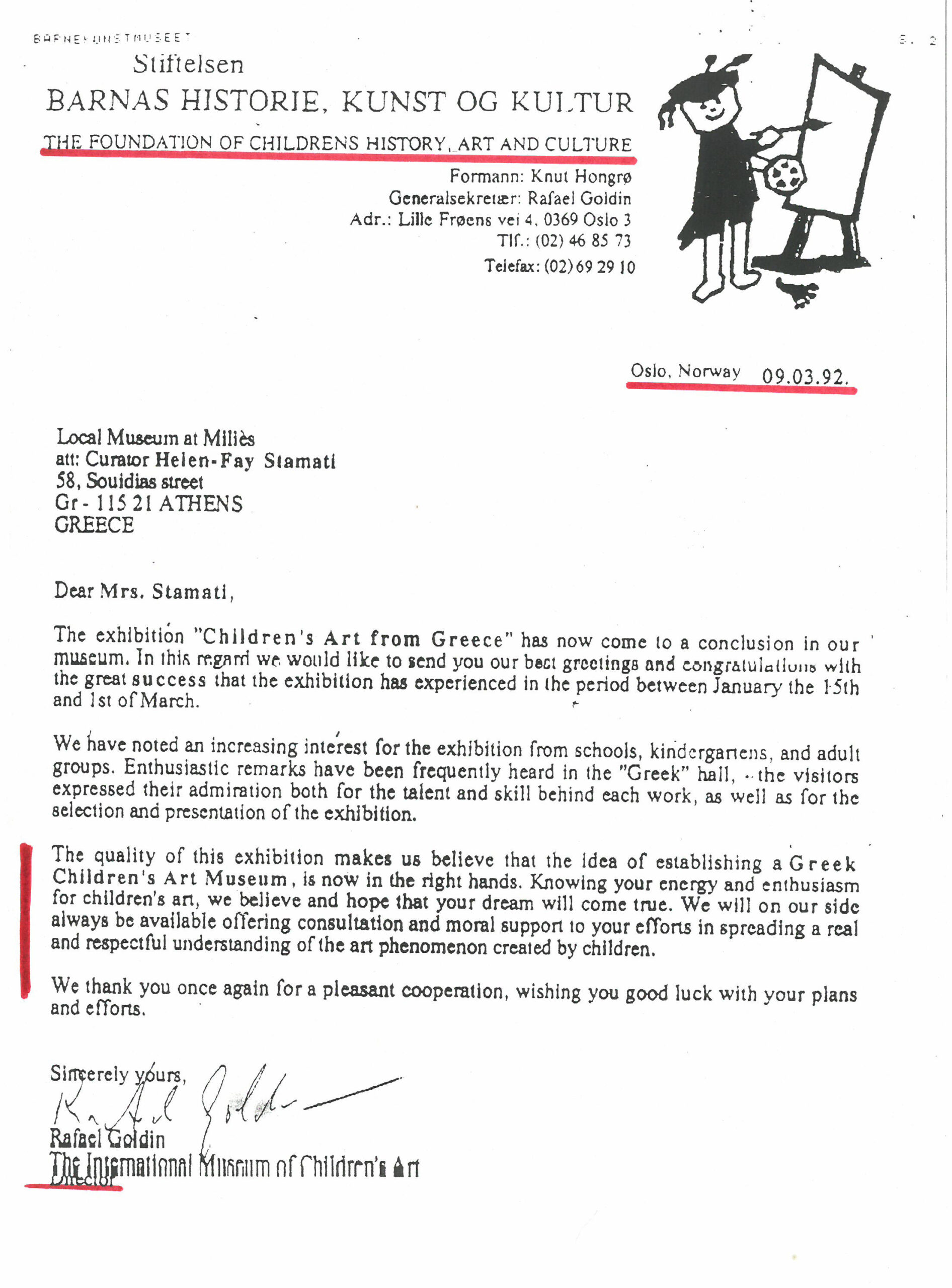
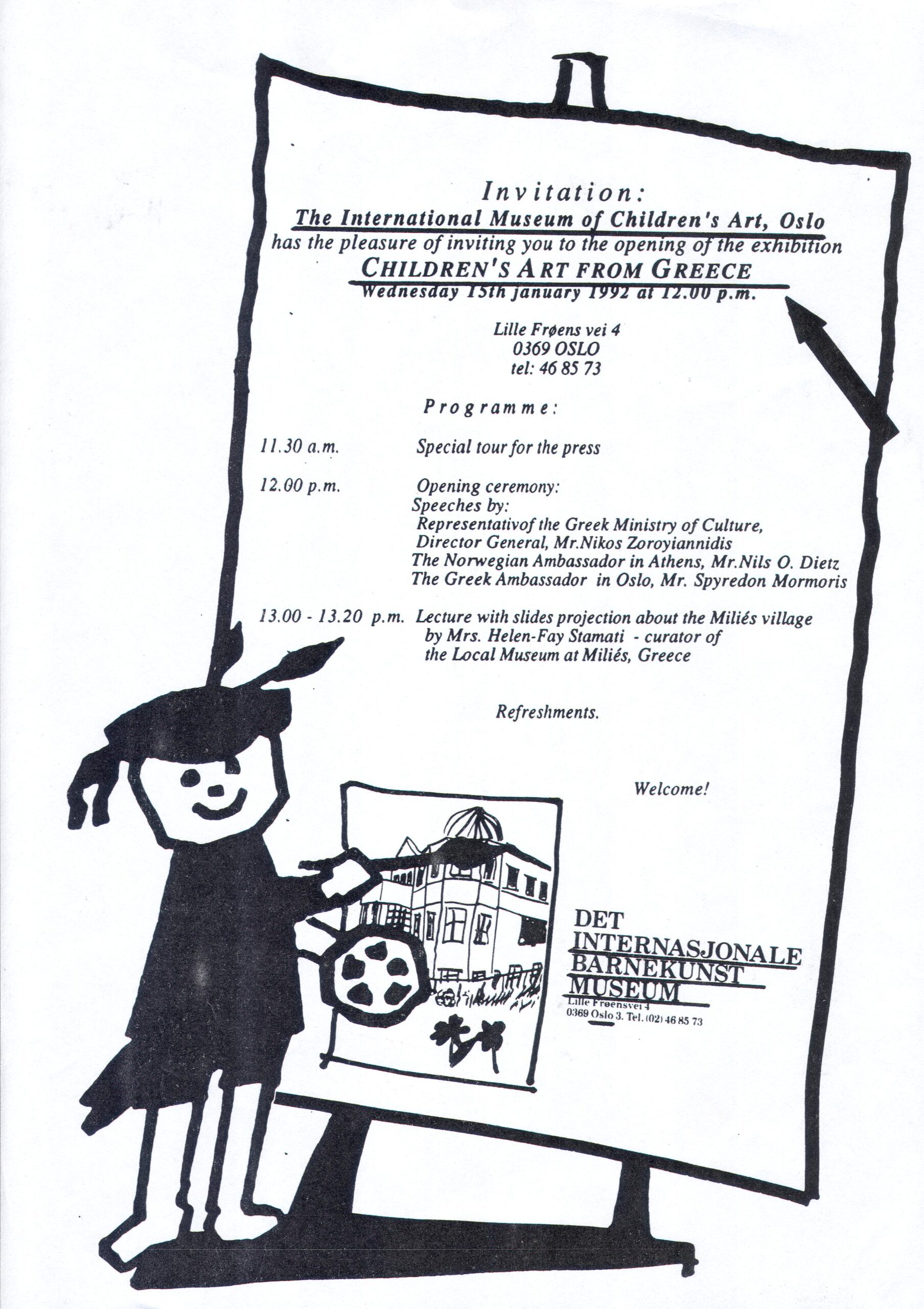
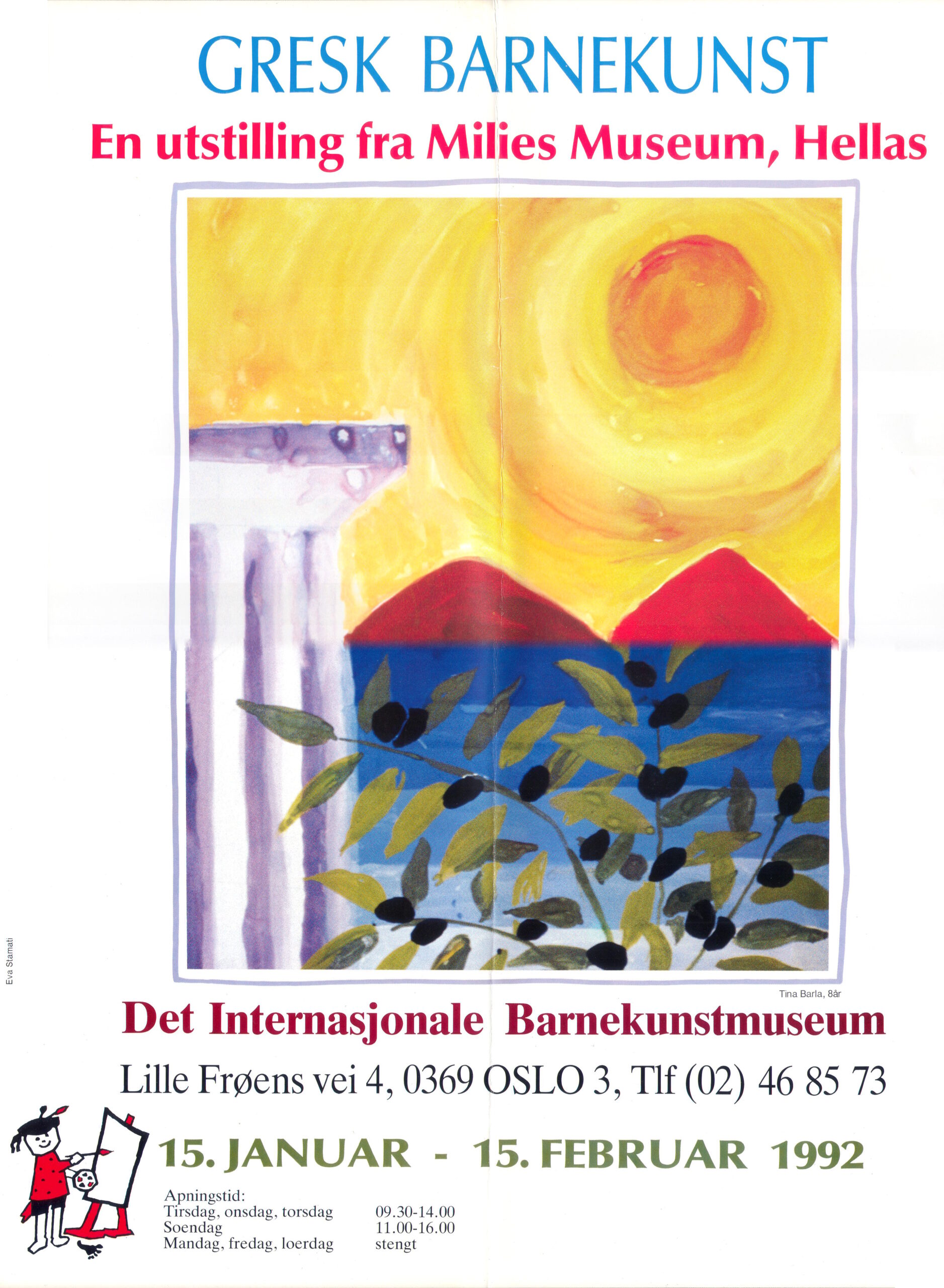
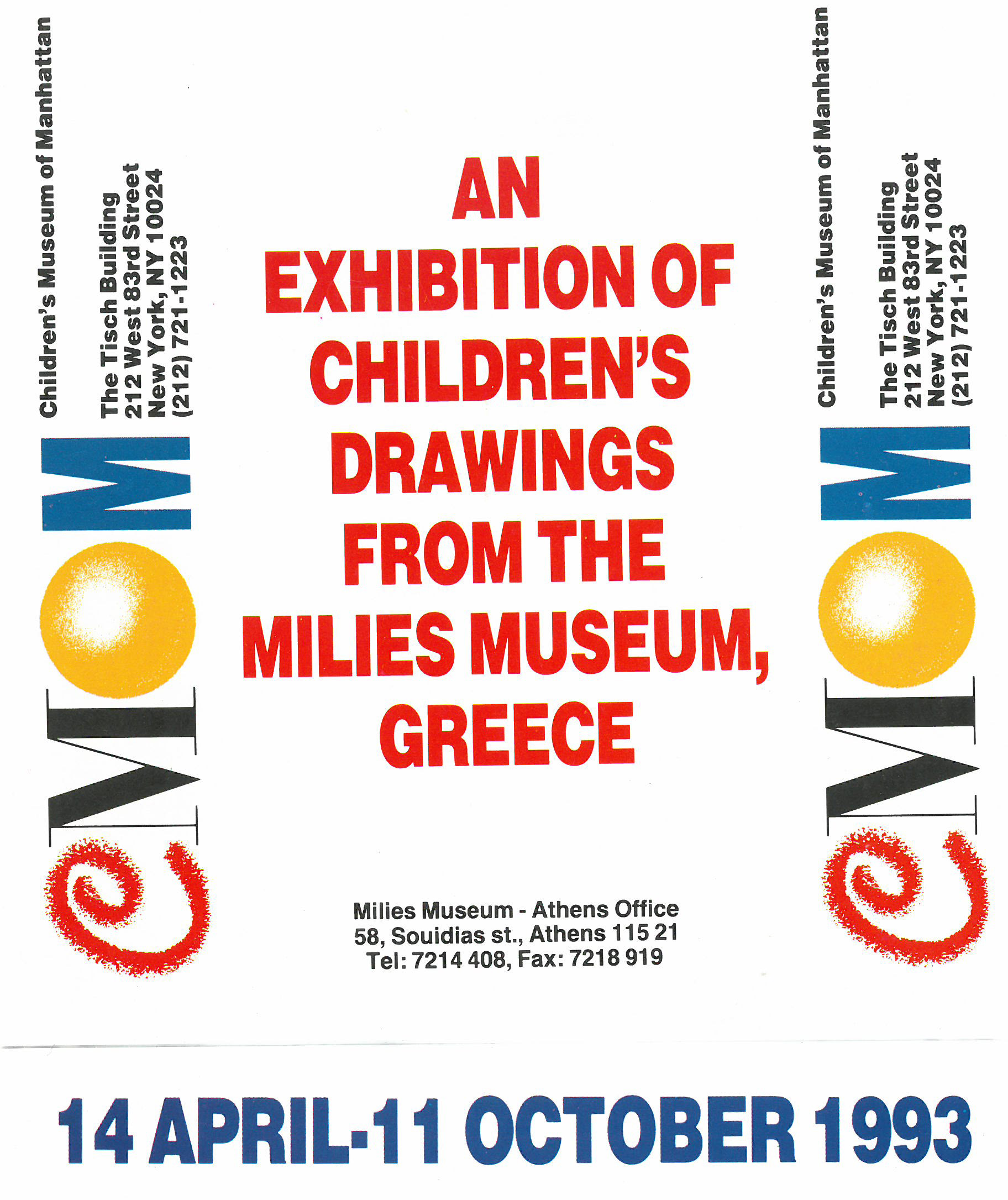
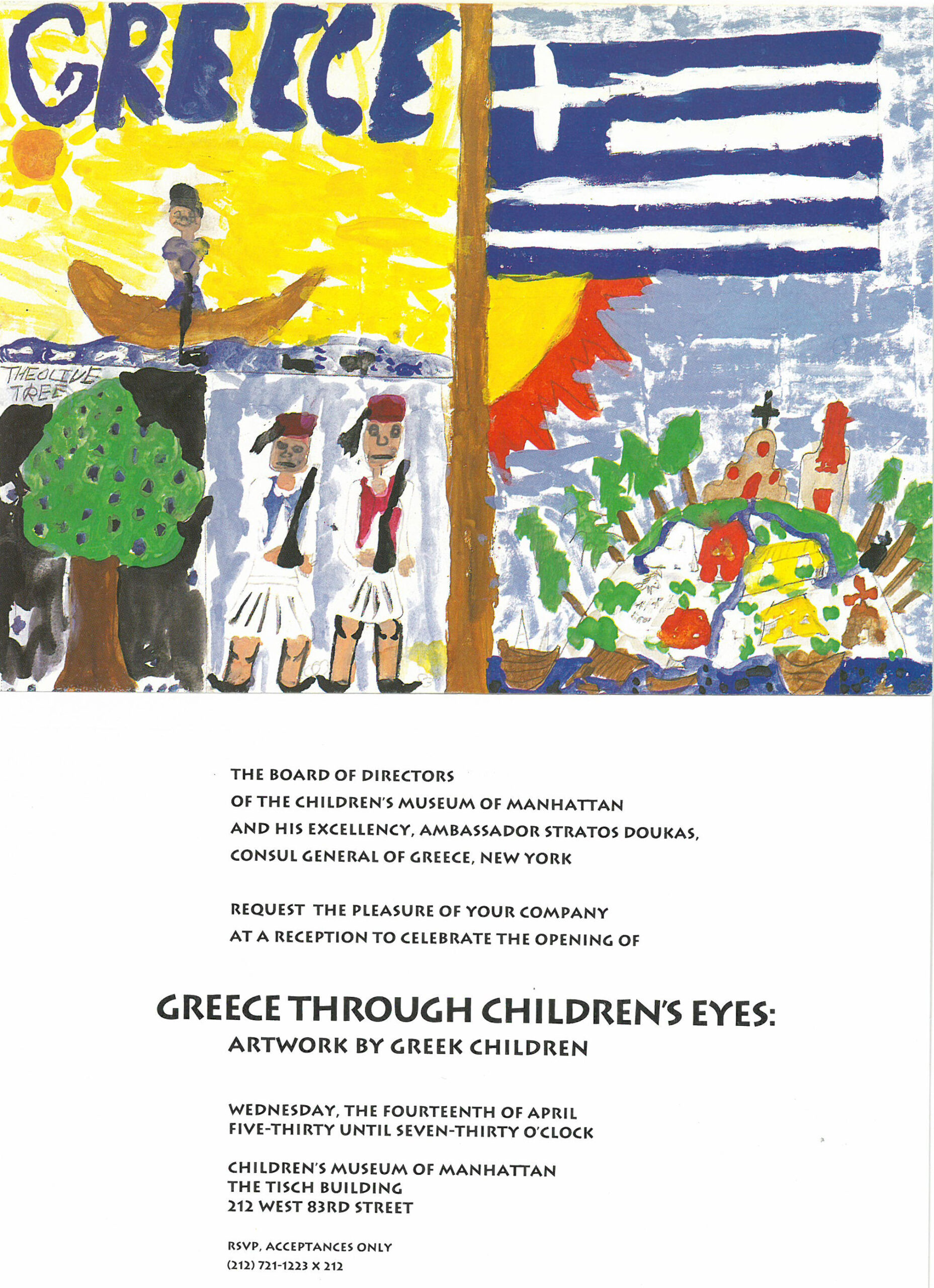
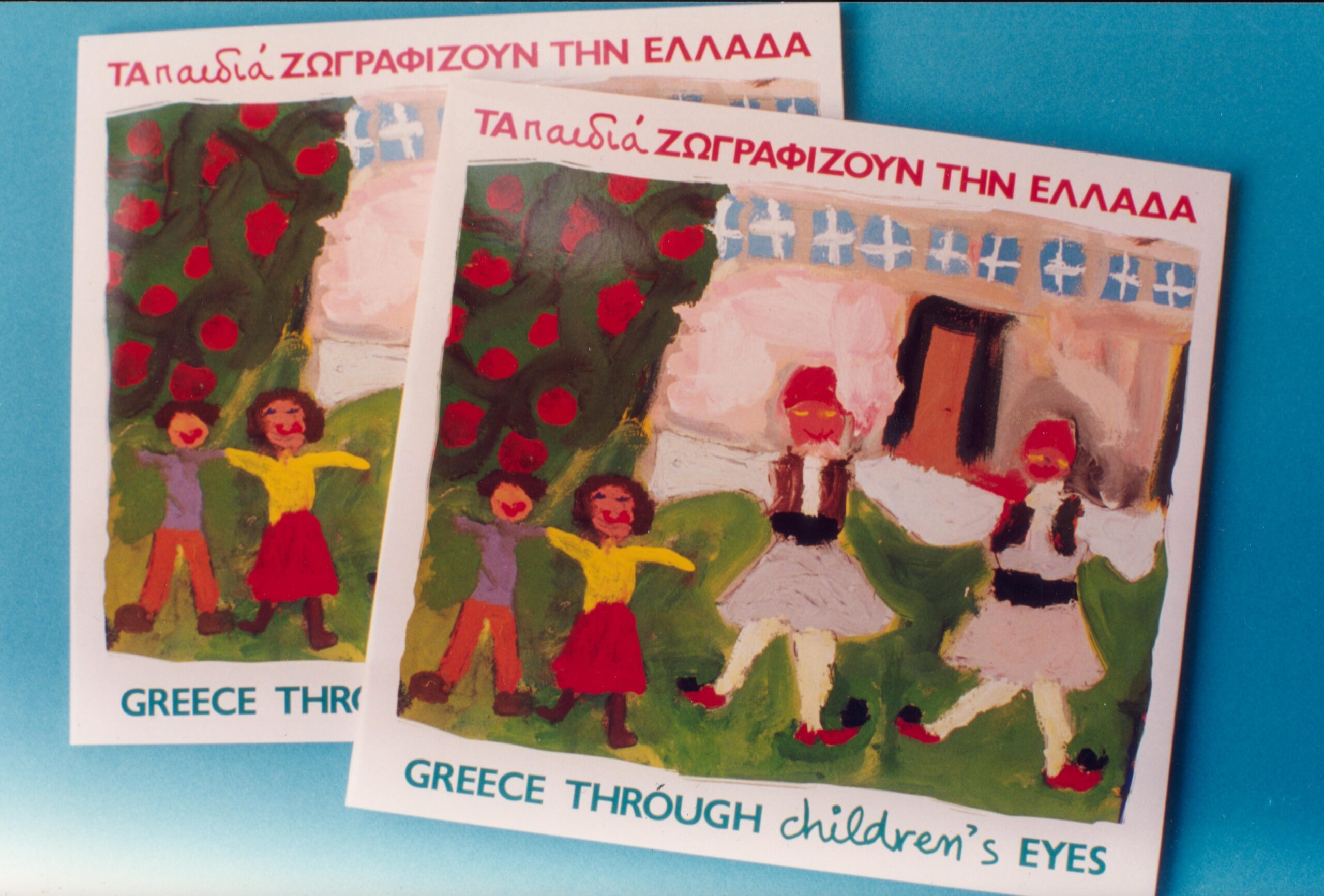
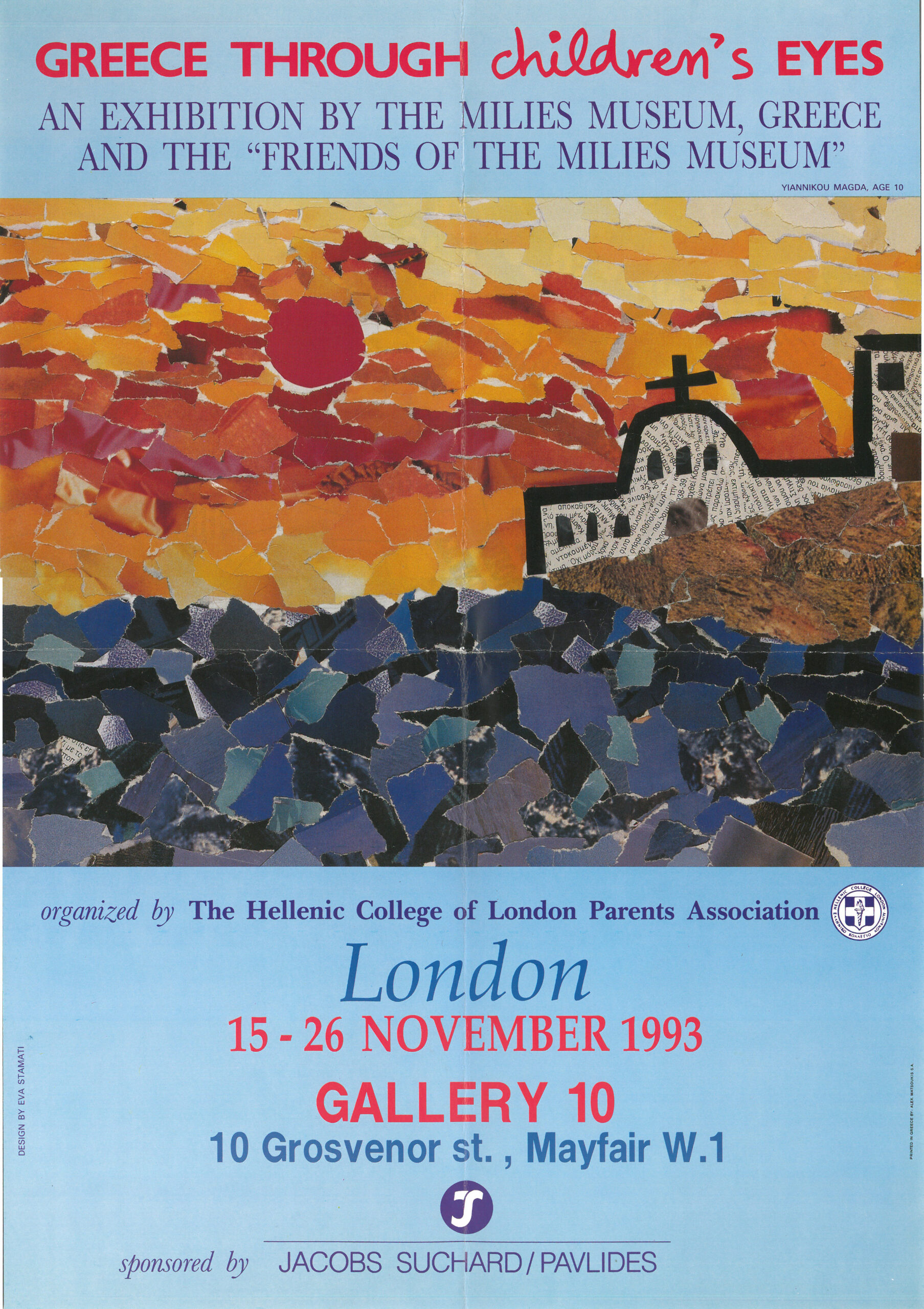
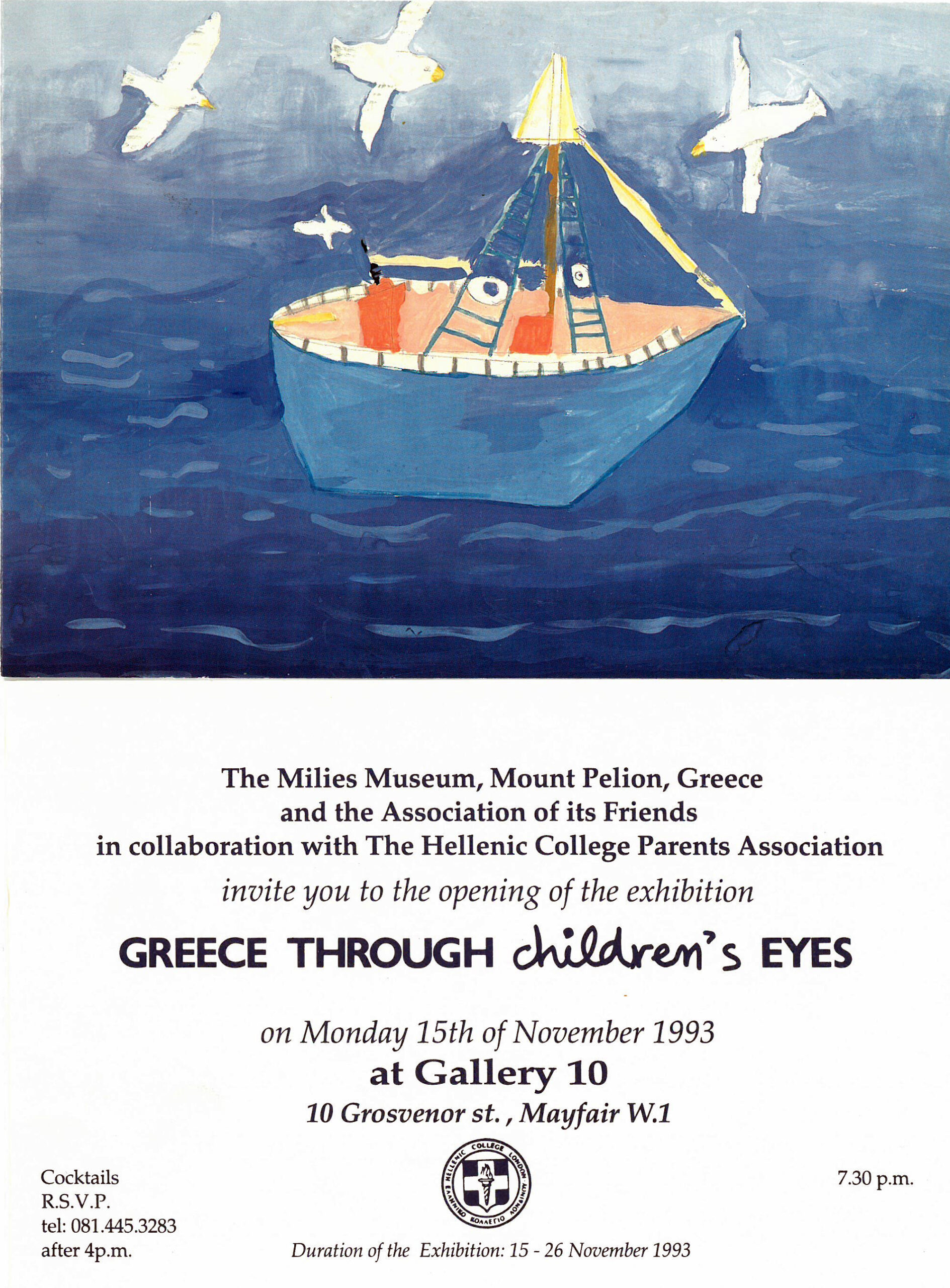
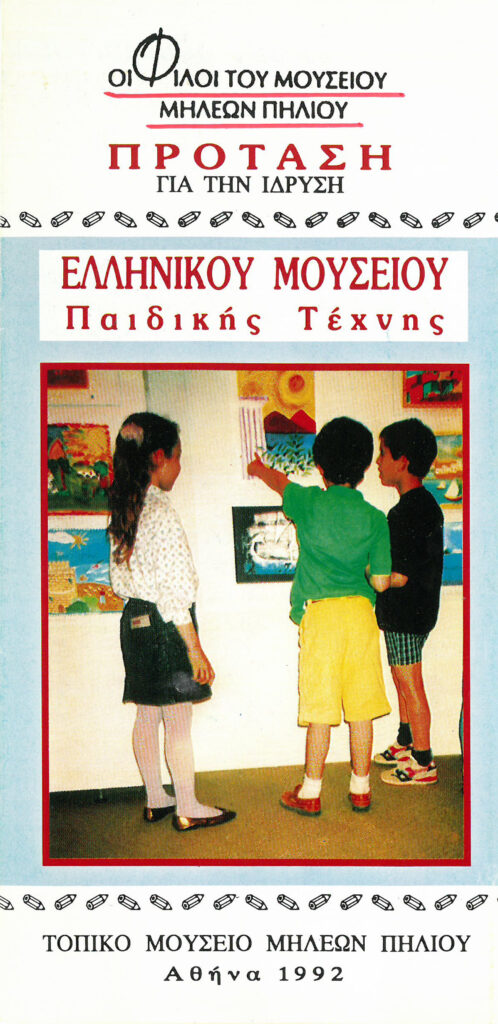
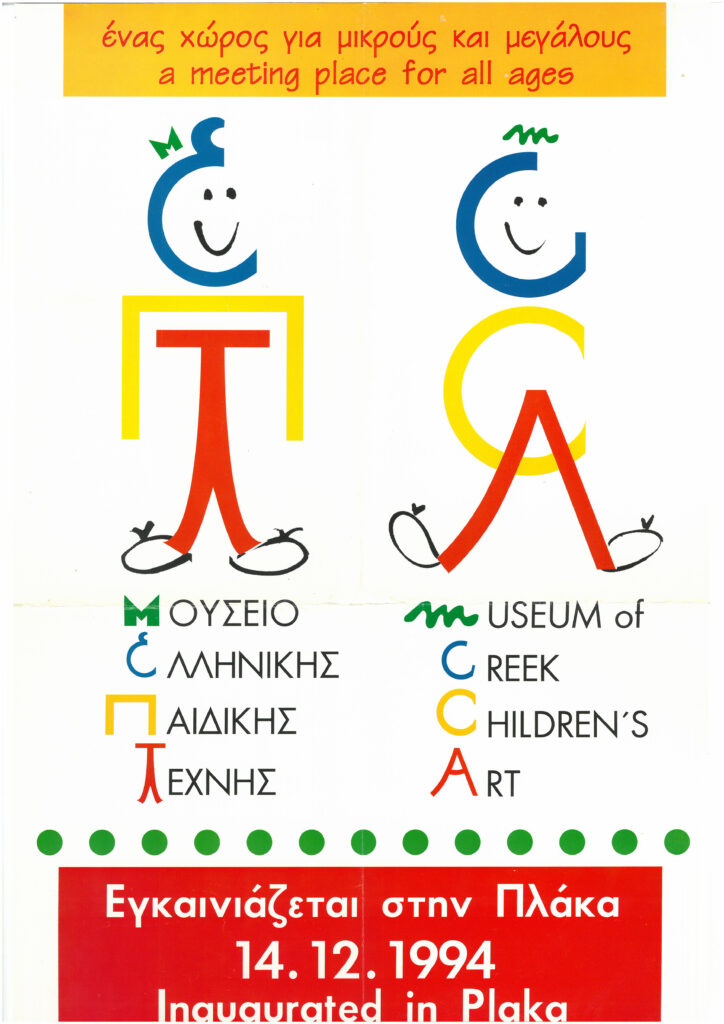
The Museum of Greek Children’s Art was inaugurated in 1994 with the purpose of preserving, studying and promoting children’s art and the aim of enhancing children’s creativity.
The Local Museum of Milies donated 450 children’s artwork to the new museum.
1991, EXHIBITION FOR THE PROTECTION OF THE ENVIRONMENT
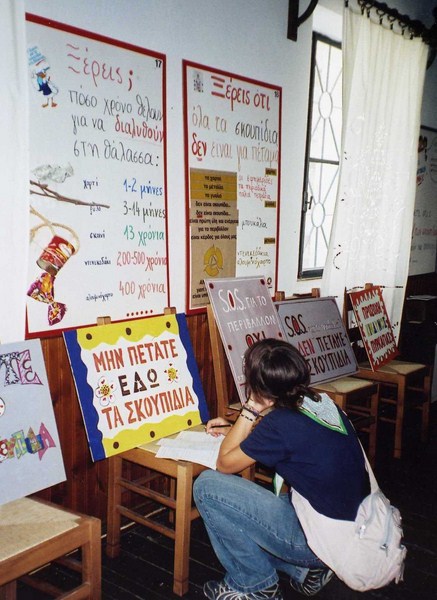
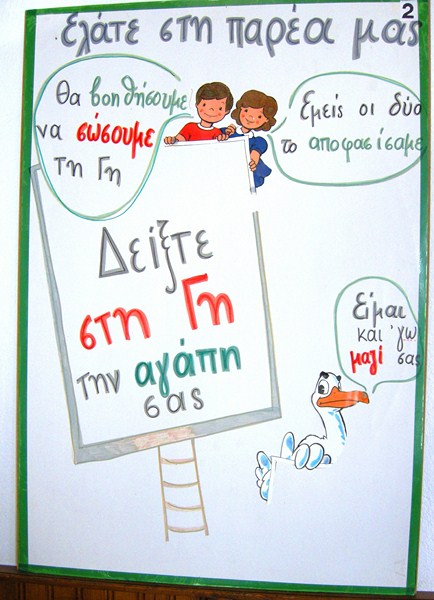
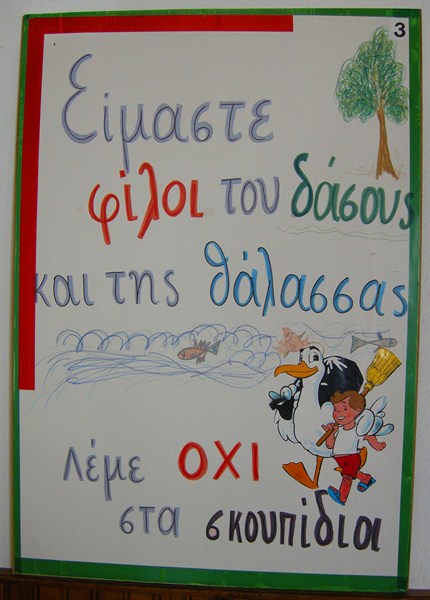
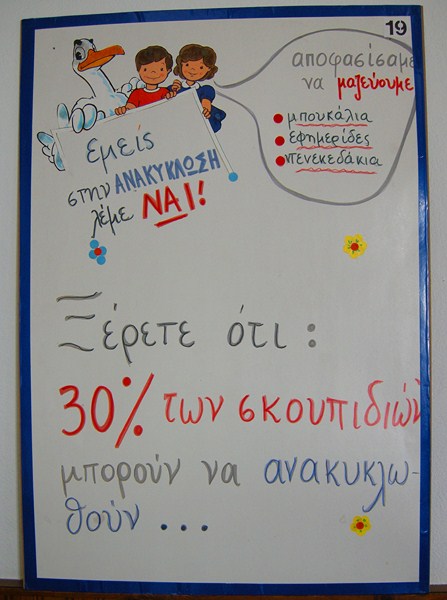
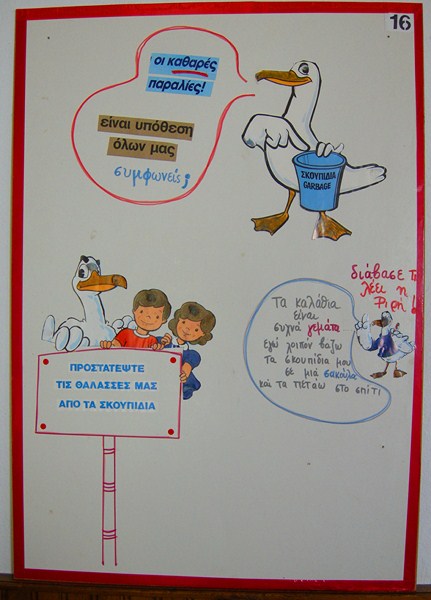
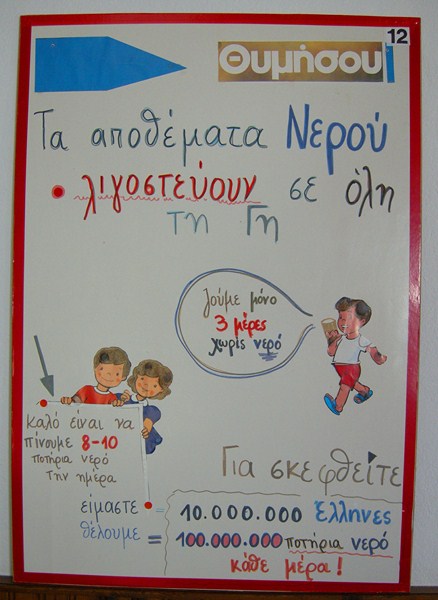
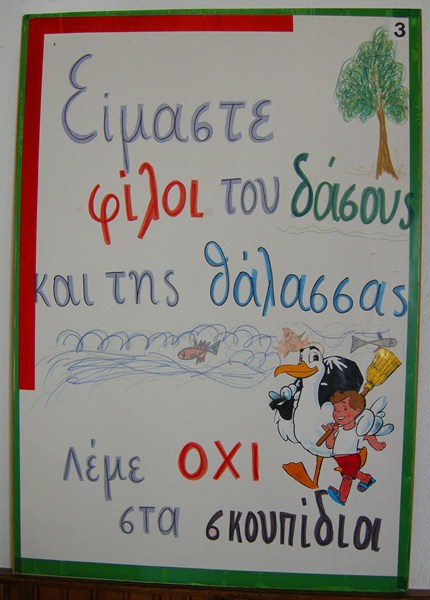
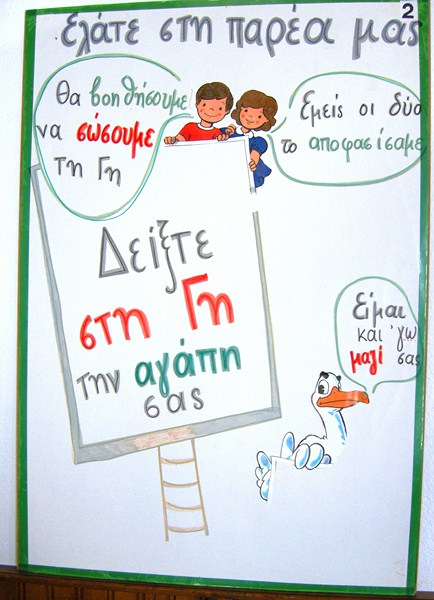
My interest in the protection of the environment started in 1991 for I wanted to raise the children’s awareness.
The exhibition had 4 sections: Protection from fire, Protection from litter, Recycling and Water.
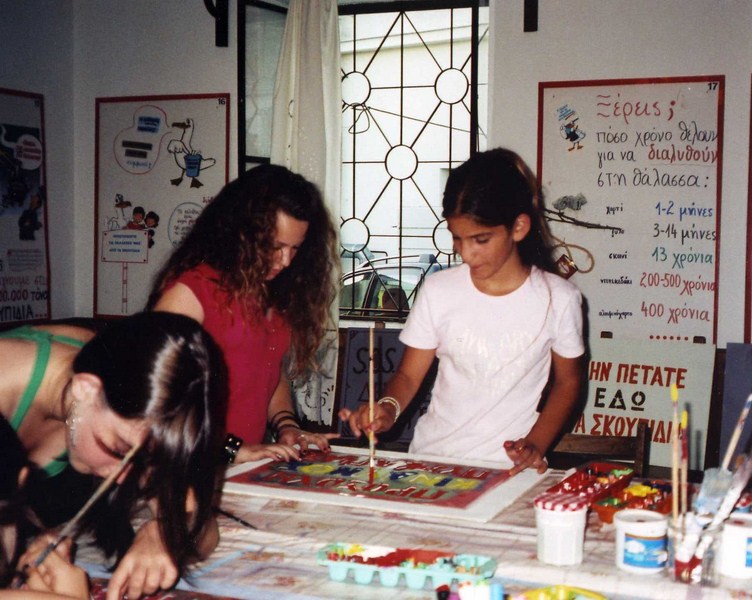
Educational programs for children and activity workshops were designed: posters to keep the village free from garbage, signs to protect the forest from fire, eco bags to help reduce the use of plastic ones.
The exhibition was also on show at the Cultural Centre of Agria – a nearby village – at the summer camps at the Community of
Portaria, at the Primary school of Neohori and under the responsibility of the teacher Gerasimos Tsibloulis it is available in
schools of Volos.
Exhibitions at the entrance of the Local Museum
To offer visitors extra stimuli I designed short term exhibitions that follow the annual calendar and are hoisted at the entrance of the museum.
EXHIBITIONS AT THE EVDOXION CULTURAL CENTER IN MILIES
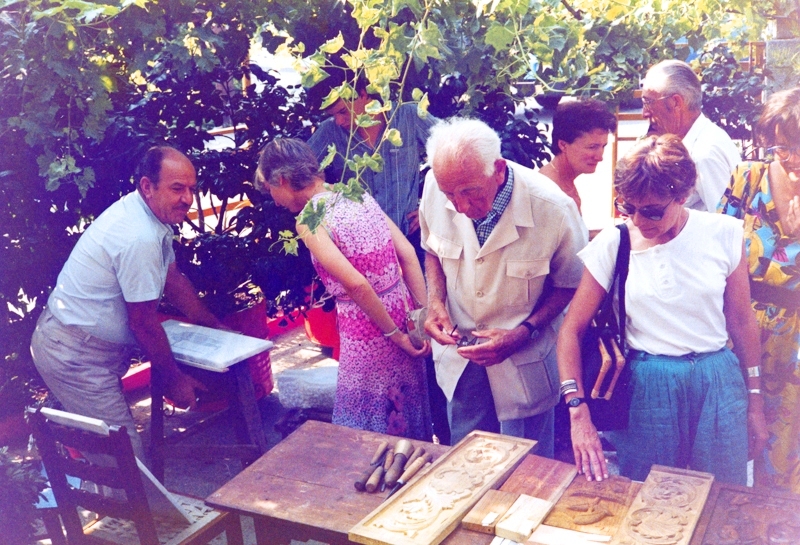
Wilh the collaboration of my husband I studied and designed exhibitions and workshops that helped visitors get acquainted wieh the heritage of the area. The events were held in the summer at the Evdoxion Cultural Center, a beautiful Pelion building facing the museum.
THE LOCAL MUSSEUM CELEBRATES IT’S 30 YEARS
The event was under the auspices of the Folkloric Art Museum of Greece and the theme chosen was Theophilos since the Museum of Athens had a rich collection of his and we could center on works of Theophilos in Volos and Anakassia while copies of his work in Mytilene done at the end of his life offered an idea of the Greek self taught artist.
At the opening of the exhibition the director of the Athens Museum and the director of the Research Center of the Academy of Athens each gave a speech.